Retro Camo Auntie Coquette Svg Design Review
When I first pulled up the Retro Camo Auntie Coquette Svg Design, my initial reaction was a mix of curiosity and caution. As an embroidery designer who has spent years testing files for both personal projects and client work, I know that combining two distinct aesthetics—rugged camouflage and delicate coquette styling—can either result in a stunning, trend-forward piece or a muddy, confusing mess. This design attempts to bridge the gap between utilitarian grit and feminine softness, a combination that is currently dominating the handmade market. But does it translate well from screen to fabric? After running through several test scenarios, here is my honest breakdown of how this file performs in real-world applications.
First Impressions: Mood and Visual Personality
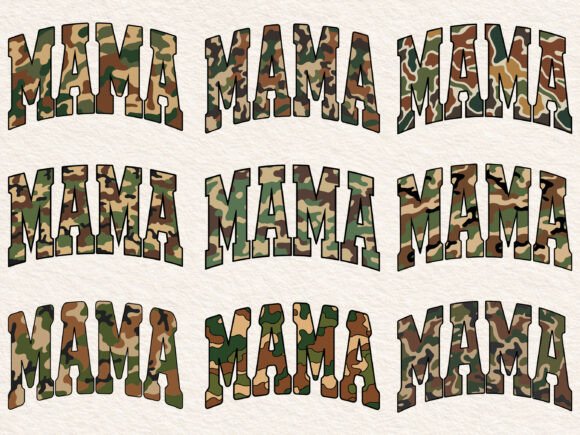
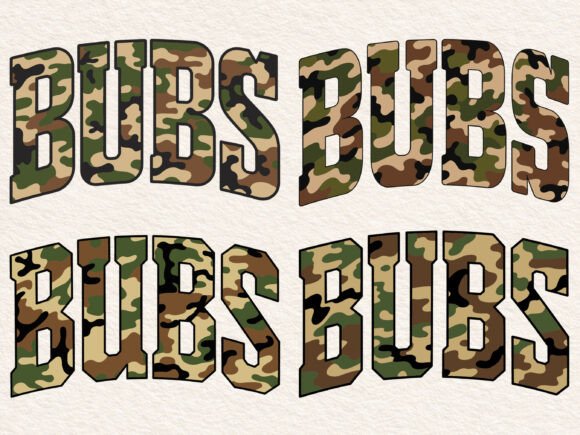
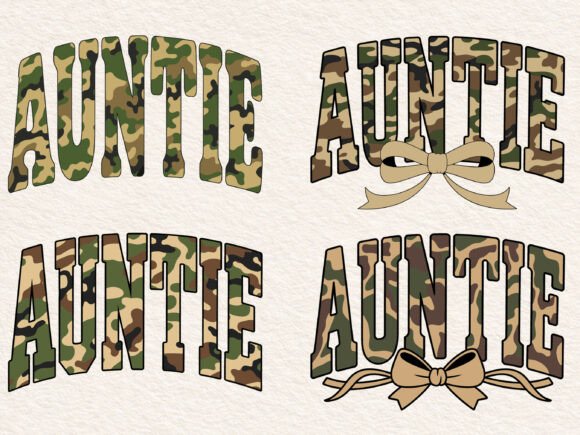
The core appeal of this machine embroidery design lies in its juxtaposition. The "Retro Camo" element suggests a vintage military influence, often associated with durability and outdoor activity. However, the "Auntie Coquette" twist introduces bows, lace-like textures, and a playful, nostalgic femininity. Visually, the layout feels balanced, with the camo pattern providing a busy but structured background that allows the central motif to pop. It creates a mood that is both edgy and sweet, making it highly versatile for modern craft businesses.
From a graphic design standpoint, the vector lines are clean, which is crucial when scaling the design for different products. The theme resonates strongly with current social media trends, particularly among demographics interested in Y2K fashion, cottagecore, and personalized gifts. It feels like a design that belongs on a boutique shelf, immediately grabbing attention without shouting for it. For an Etsy seller or small shop product owner, this visual personality offers a strong hook for marketing materials.
Real-World Application: Where This Design Shines
I tested this embroidery file across several common project types to see where it fits best. The results were most promising on structured garments and sturdy accessories.
- Sweatshirt Embroidery: This is perhaps the strongest use case. The retro aesthetic pairs perfectly with oversized crewnecks or cropped hoodies. When stitched on a heather grey or olive green sweatshirt, the camo tones blend subtly while the coquette elements stand out. It feels like a high-end custom apparel item that customers would wear casually.
- Tote Bag Design: Canvas totes are a staple for craft business owners. The durability of canvas supports the weight of the stitches required for the camo fill areas. I found that placing this design off-center on a tote bag created a modern, asymmetrical look that appeals to younger buyers.
- Baby Embroidery: Surprisingly, this design works well for gender-neutral baby gifts. A onesie or a small bib featuring this motif can be a unique alternative to traditional floral or animal designs. It adds a touch of personality that parents might appreciate for a "cool aunt" style gift.
- Embroidered Patch: If you are selling detachable patches, this design translates beautifully. The bold outlines allow for a clean applique finish, making it easy to attach to denim jackets or backpacks.
For digital product sellers, creating printable mockups of this design on sweatshirts and totes is essential. The visual contrast in the design makes for excellent photography subjects, helping to drive engagement on platforms like Pinterest and Instagram.
Technical Considerations and Stitch Clarity
While the concept is strong, execution is everything in machine embroidery. The success of this embroidery project depends heavily on how the stitch density is managed. The camo portion likely utilizes a dense fill stitch, which requires careful attention to avoid puckering.
When evaluating the thread colors, I recommend using high-contrast threads for the coquette elements against the camo background. If the background is dark, light pastel threads for the bows will create a striking pop. Conversely, on light fabrics, darker threads may be needed for visibility. Always inspect the running stitch details; if they are too fine, they may get lost in the texture of thicker fabrics like fleece or heavy cotton twill.
The design’s versatility also extends to its potential as an applique design. Using felt or contrasting fabric for the bow elements can add dimension that thread alone cannot achieve. This technique elevates the finished product, making it feel more luxurious and justifying a higher price point for your handmade product.
Where to Use With Caution
Not every surface is suitable for this level of detail. There are specific scenarios where this design asset might struggle:
- Small Hoop Sizes: If the design is scaled down too much, the intricate details of the camo pattern and the delicate curves of the coquette elements may merge into an indistinguishable blob. Keep the minimum size large enough to maintain clarity.
- Stretchy or Thin Fabrics: Jersey knits or thin rayon blends can distort under the tension of dense stitches. Without proper stabilization, the design may pucker or shift during stitching, ruining the professional look.
- Curved Surfaces: While caps are popular, the complexity of this design might be difficult to digitize correctly for curved surfaces unless you have advanced software skills. Flat surfaces like kitchen towels or flat-brimmed hats are safer bets.
- Frequent Washing: For items that will undergo heavy laundering, such as work aprons or kids' clothes, ensure the stabilizer is completely removed and the threads are secure. Dense fills can trap moisture if not backed properly.
Practical Designer Notes for Best Results
To ensure your final output matches the quality of the digital file, follow these practical steps before committing to expensive materials:
- Test on Scrap Fabric: Always run a test stitch on the same type of fabric you plan to use. This helps you gauge how the fabric texture interacts with the stitch patterns.
- Check Stabilizer Choice: Depending on the fabric, you may need cut-away stabilizer for permanent stability or tear-away for temporary support. The wrong choice can lead to unsightly marks or distortion.
- Review in Black and White: Convert your design preview to black and white to check contrast levels. This ensures that the design remains legible even if the color palette is muted.
- Confirm Licensing: Before listing this as a commercial embroidery product, double-check the license terms provided with the download. Ensure you have the right to sell finished goods made from this graphics asset.
- Inspect Small Details: Zoom in on the digital file to identify any tiny lines or dots that might not stitch well. You may need to simplify these elements in your embroidery software.
Final Verdict
The Retro Camo Auntie Coquette Svg Design is a strong contender for anyone looking to tap into the trendy intersection of rugged and romantic aesthetics. It offers high visual appeal and fits seamlessly into a wide range of personalized gift categories. By paying close attention to stitch density, fabric choice, and stabilization, you can produce a finished product that looks professional and drives sales. For creative entrepreneurs and makers, this design provides a solid foundation for expanding your inventory with items that feel both current and timeless.