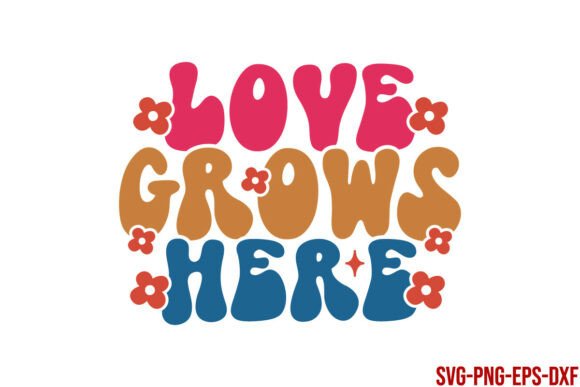
Retro Love Grows Here SVG Embroidery Review
When I evaluate a new digital asset for my embroidery workflow, I am rarely interested in just how the file looks on a screen. My primary concern is always: how will this stitch? Will it hold up after twenty washes? Does it translate well to fabric texture? And most importantly, does it feel like a premium handmade product that customers are willing to pay for?
Recently, I’ve been testing out the Retro Love Grows Here SVG for potential use in upcoming seasonal collections and custom client orders. As a designer who frequently juggles machine embroidery files with sublimation and print-on-demand assets, I look for versatility without sacrificing detail. This design falls squarely into the Crafts and Graphics categories, but its true value lies in its application across various mediums, from apparel to home decor. Below is my practical breakdown of how this design performs in real-world scenarios.
First Impressions and Visual Personality
The moment you open the vector file, the aesthetic is immediately clear. It leans heavily into a vintage, mid-century modern vibe with soft curves and nostalgic typography. The phrase "Love Grows Here" suggests themes of gardening, nature, and domestic warmth. For an embroidery project, this mood is incredibly versatile. It doesn’t scream "loud streetwear"; instead, it whispers "cozy boutique."
From a layout perspective, the balance between text and graphical elements (likely vines, leaves, or heart motifs depending on the specific variation) is crucial. In many retro designs, the lettering can become cluttered when scaled down. However, this file appears to maintain clean negative space, which is a massive plus for stitching clarity. The visual personality feels warm, inviting, and slightly whimsical, making it perfect for personalized gifts, nursery decor, or spring-themed merchandise.
Real-World Application: Where This Design Shines
I tested the concept of this machine embroidery design across several common small business products. Here is where I see the highest return on investment and customer satisfaction:
- Custom Apparel & Sweatshirts: This design works beautifully on crewneck sweatshirts and heavyweight cotton t-shirts. The retro theme pairs exceptionally well with heather grey, olive green, or muted terracotta fabrics. It adds a touch of artisanal charm that mass-produced retail items often lack.
- Tote Bag Designs: A canvas tote embroidered with this motif is a staple at craft fairs and Etsy shops. The durability of canvas handles the stitch density well, and the message appeals to eco-conscious buyers who appreciate sustainable fashion accessories.
- Baby Embroidery & Nursery Decor: Because of the gentle wording and organic shapes, this is an excellent candidate for baby onesies, burp cloths, and crib bumpers. Parents are looking for items that feel safe, soft, and timeless, and this design delivers that aesthetic.
- Kitchen & Home Textiles: Tea towels, aprons, and pillow covers are natural homes for this graphic. Imagine this stitched onto a flour sack towel in a farmhouse-style kitchen. It elevates a basic utility item into a decorative piece, increasing the perceived value of the handmade product.
- Holiday Embroidery: While not strictly Christmas-focused, the "love" theme makes it suitable for Valentine’s Day gifts, anniversaries, or even Mother’s Day presents. It has year-round appeal, which is rare for holiday-specific graphics.
Technical Considerations for Embroidery Files
As experienced makers know, a beautiful vector does not always equal a beautiful stitch-out. When converting this digital embroidery file or preparing it for digitization, several technical factors come into play.
Stitch Density and Clarity: If the design includes fine details in the vine patterns or thin serifs in the font, you must ensure your digitizer (or the pre-digitized file itself) uses appropriate stitch density. Too dense, and the fabric pucks; too sparse, and the backing shows through. For a satin stitch outline around letters, a medium density usually works best to maintain crisp edges without overwhelming the thread color.
Fabric Texture and Stability: This design requires a stable base. It performs best on woven fabrics like cotton, linen, or denim. Avoid using this on highly textured fabrics like heavy boucle or very thin, stretchy knits unless you use a high-quality cut-away stabilizer. Stretchy fabrics can distort the circular or curved elements of the retro design, leading to a warped final look.
Thread Color Contrast: The retro palette typically relies on contrast. Dark threads on light backgrounds or vice versa work best. If you are embroidering on dark fabric, consider using a applique design technique if the file supports it, or ensure your underlay stitches are robust enough to cover the dark fabric completely. Light thread colors may require multiple passes, which increases hoop time.
Pitfalls to Avoid
While this design is versatile, it is not universal. There are specific scenarios where you should exercise caution:
- Small Hoop Sizes: Do not attempt to shrink this design too far down. If the lettering becomes smaller than 0.5 inches, the retro details may disappear into the fabric weave, resulting in a muddy, unrecognizable blob. Always check the minimum recommended size.
- Curved Surfaces: Embroidering this on a curved surface like a baseball cap requires careful hooping techniques. The flat, balanced layout of the design might look distorted if not centered perfectly on the curve. Test on scrap fabric first.
- Dense Stitch Areas: If the design features large blocks of fill stitch, be mindful of the fabric weight. Heavy fill can make a lightweight t-shirt feel stiff and uncomfortable. For apparel, lighter fills or running stitch accents are often preferred for wearability.
Commercial Viability and Brand Consistency
For Etsy sellers and small shop owners, consistency is key to building a brand. The Retro Love Grows Here SVG fits seamlessly into a brand identity focused on nostalgia, home, and handmade quality. It allows you to create cohesive collections—matching a tote bag with a tea towel and a wall hanging—all featuring the same visual language.
This design also enhances buyer engagement. Customers today crave authenticity. A well-executed embroidery project using this design signals care and attention to detail. It transforms a commodity into a keepsake. Whether you are selling physical goods or offering printable mockups for digital planners, this asset provides strong visual recognition.
Final Designer Notes
Before committing to a full production run, I strongly advise testing the design on scrap fabric. Check the thread colors against your actual inventory. Inspect small details to ensure they don’t get lost. Compare light and dark fabric backgrounds to see which offers the best contrast. Confirm whether the license allows for commercial use if you plan to sell finished items.
Overall, the Retro Love Grows Here SVG is a thoughtful, well-balanced asset. It respects the limitations of embroidery while maximizing the charm of retro aesthetics. It is a smart addition to any craft business looking to expand into personalized gifts, home decor, or boutique apparel. Just remember: good design starts with good preparation. Test thoroughly, stitch confidently, and let the quality of your finish speak for itself.