Retro Spoon Clip Art SVG PNG DXF PDF
As a designer who spends more time than I care to admit staring at stitch lines and fabric grain, I approach every new machine embroidery design with a healthy dose of skepticism. The market is flooded with clip art that looks charming on screen but falls apart when translated into thread. That is why I decided to put the Retro Spoon Clip Art SVG PNG DXF PDF bundle through its paces. This isn’t just about whether it stitches well; it is about whether it sells, whether it holds up in the wash, and whether it elevates a handmade product or just adds clutter.
I received this as a digital asset for my craft business, specifically targeting the intersection of vintage aesthetics and modern utility. The bundle includes high-quality transparent PNGs at 300 DPI, along with vector formats like SVG and DXF. While the primary focus here is evaluating its potential as an embroidery file, the versatility of these formats means it can also serve as a base for applique designs or even vinyl cutting projects. Let’s dive into how this design performs in real-world scenarios.
First Impressions: Mood and Visual Personality
The moment you open the file, the retro vibe is undeniable. It captures that mid-century modern kitchen aesthetic without being overly busy. For an embroidery project, simplicity is often your best friend because complex details get lost in the stitching process. This spoon design strikes a balance. It has enough character to be recognizable as a distinct graphic element, yet clean enough to read clearly from a distance.
The visual personality of this design leans towards cozy, nostalgic, and approachable. It feels right at home in a farmhouse-style kitchen or a minimalist nursery. When I first looked at the layout, I immediately thought about how it would translate into a handmade product. The curves are smooth, which suggests good flow for satin stitches, and the negative space is generous. This is crucial for stitch density; if a design is too dense, it becomes stiff and unappealing to the touch. This design promises a softer hand feel, which is a major selling point for customers buying items like baby blankets or aprons.
Real-World Application: From Screen to Stitch
I took this design into the hoop with the intention of creating a custom embroidered tote bag for a local boutique client. Tote bags are a staple for any Etsy seller or small shop owner, but they present unique challenges. The canvas fabric can be thick, and the surface area is large, meaning the design needs to hold its own visually.
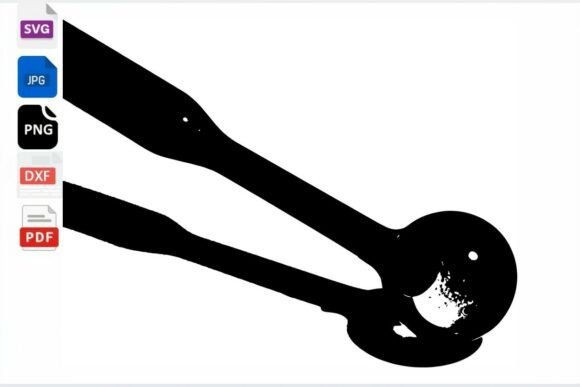
Using the DXF file as a reference for digitizing, I found that the spoon shape held its integrity beautifully. The satin stitch around the edges was crisp, defining the handle and bowl of the spoon without bleeding into adjacent areas. Because the original graphic is so clean, there was no need for excessive underlay stitches, which helped prevent puckering—a common issue with custom apparel and accessories made from lighter materials.
I also experimented with placing this design on a cotton tea towel. The contrast between the thread color and the fabric texture was striking. This highlights one of the strongest aspects of this digital embroidery file: its adaptability. Whether you are working with linen, cotton, or a blended fabric, the design scales well. It works equally effectively as a standalone focal point or as part of a larger pattern, such as a repeating motif on a set of napkins. For a holiday gift, this kind of versatile design allows you to create cohesive sets that look professionally curated rather than randomly assembled.
Where to Use It (And Where to Be Careful)
While this design is robust, no embroidery project is without its limitations. Here is where I recommend exercising caution:
- Small Hoop Sizes: If you attempt to digitize this for a very small hoop (under 4x4 inches), you may lose some of the subtle curves. Keep the design large enough to allow the stitches to breathe.
- Textured Fabrics: Avoid using this on heavily textured fabrics like boucle or thick terry cloth. The fine details of the spoon might get swallowed by the fabric pile, resulting in a muddy appearance.
- Stretchy Fabrics: When embroidering on knit fabrics like sweatshirts or caps, ensure you use a proper stabilizer. Stretchy materials can distort the shape of the spoon during stitching, leading to a warped final product.
- Dense Stitch Areas: Although the design itself is not overly dense, if you plan to add heavy fill stitches behind the spoon, be mindful of the total stitch count. Too much density can make the finished piece rigid and uncomfortable, especially on custom apparel worn against the skin.
- Dark Fabrics: On dark backgrounds, thread choice is critical. A light-colored spoon on black fabric requires high contrast to pop. Test your thread colors carefully to ensure visibility.
Impact on Product Value and Brand Consistency
For craft business owners, the quality of your design directly impacts customer trust. A poorly executed embroidery job can make even the most expensive product feel cheap. Conversely, a clean, well-digitized design like this one signals professionalism. When a buyer sees a sharp, clear spoon graphic on a tote bag or a personalized gift, they perceive higher value.
This design also supports brand consistency. Its retro style fits seamlessly into brands that focus on vintage, farmhouse, or rustic themes. You can use it across various platforms, from physical products to printable mockups for your online store. The included SVG files are particularly useful here, allowing you to create consistent branding elements across different mediums, whether that is embroidery, vinyl decals, or digital marketing assets.
Furthermore, the transparency of the PNG files makes it easy to preview how the design will look on different colored garments before you commit to stitching. This step saves time and reduces waste, which is essential for efficient small shop product management.
Practical Designer Notes for Success
Before you rush into production, keep these practical tips in mind to ensure your finished product meets your standards:
- Test on Scrap Fabric: Always run a test stitch on the same type of fabric and stabilizer you plan to use for the final item. This helps you catch any potential issues with tension or needle type early.
- Check Thread Contrast: Ensure there is sufficient contrast between your thread and fabric. Low-contrast combinations can result in a design that is difficult to see and appreciate.
- Review Stitch Density: Adjust the digitization settings if necessary to optimize stitch density for the specific fabric weight. Thicker fabrics may require slightly denser stitching for better coverage.
- Confirm Licensing: Since you are likely using this for commercial purposes, double-check the license terms provided with the bundle. Ensure you have the right to sell finished items created with this design.
- Inspect Small Details: Zoom in on the digital file before stitching. Look for any jagged edges or unclear paths that might cause issues during the embroidery process.
- Use Proper Stabilizer: The right stabilizer is key to preventing distortion. Cut-away stabilizers are generally recommended for stretchy fabrics, while tear-away works well for stable woven fabrics.
In conclusion, the Retro Spoon Clip Art SVG PNG DXF PDF is a solid addition to any designer’s toolkit. It offers a blend of aesthetic appeal and technical reliability that makes it suitable for a wide range of applications, from aprons and caps to nursery decor. By paying attention to fabric choice, stabilization, and thread selection, you can leverage this design to create professional, high-quality products that resonate with your customers. It is a practical, stylish choice for anyone looking to add a touch of retro charm to their embroidery project portfolio.