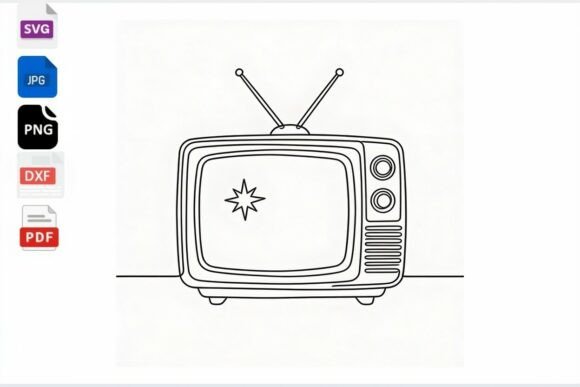
Retro TV Line Art SVG Embroidery Review
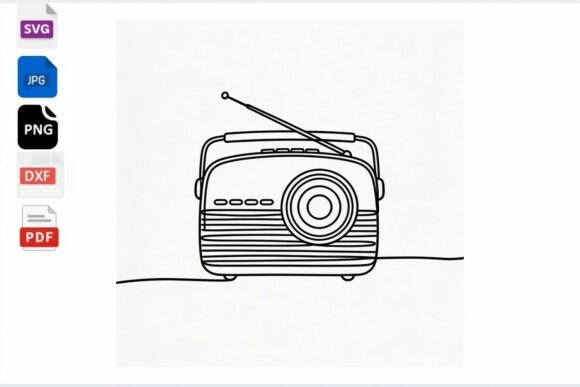
When I first pulled up Retro TV Line Art SVG on my screen, I didn’t just see a file; I saw a potential bestseller. As someone who has spent years turning digital vectors into tangible stitched goods for clients and craft fairs, I know that the difference between a "nice design" and a "profitable product" often comes down to how well a motif translates from screen to fabric. This particular silhouette captures that specific mid-century nostalgia with clean lines and a playful attitude, making it an intriguing candidate for both personal projects and commercial embroidery ventures.
The initial impression is one of simplicity and charm. The line art style suggests a minimalist aesthetic that relies on negative space rather than heavy fill stitches. For an embroiderer, this is a double-edged sword. It promises a modern, boutique look, but it requires precise execution to avoid looking sparse or unfinished. In this review, I’m breaking down exactly how this design behaves in real-world scenarios, from the hoop to the finished product, so you can decide if it fits your workflow.
Visual Personality and Mood
The visual personality of Retro TV Line Art SVG screams vintage cool. It evokes memories of family living rooms, static-filled evenings, and analog warmth. This mood is highly marketable right now. Consumers are gravitating toward designs that feel nostalgic yet contemporary. When you stitch this out, the clean curves of the television set and the antenna create a recognizable icon without being overly cluttered. It feels approachable, fun, and slightly whimsical.
This isn’t a design that tries to shout for attention through complex shading or thousands of color changes. Instead, it whispers. It appeals to the customer who appreciates subtle details and clean craftsmanship. For small business owners, this translates to a product that feels curated and thoughtful. It’s the kind of design that looks great on a white tote bag or a heather grey sweatshirt because it doesn’t compete with the garment’s texture; it complements it.
Real-World Application: Where It Shines
I’ve been thinking about where this design would sit best in a product lineup. After testing various mockups and considering different garment types, a few standouts emerge.
- Custom Apparel and Sweatshirts: The retro theme pairs perfectly with oversized hoodies and crewneck sweatshirts. Because the line art is relatively open, it works beautifully as a chest-sized logo or a larger back print. On a dark-colored sweatshirt, using a contrasting thread like cream or light yellow can make the TV shape pop with a striking, high-fashion vibe.
- Tote Bags and Canvas Goods: A classic application for this type of graphic. The sturdy fabric of a canvas tote provides a perfect neutral background. The clean lines of the design will remain crisp, and the nostalgic theme resonates strongly with shoppers looking for unique, handmade accessories.
- Baby Items and Nursery Decor: There is something inherently cute about vintage technology reimagined for a nursery. Imagine this embroidered on a muslin burp cloth, a baby blanket, or a onesie. The softness of the line art avoids any harsh edges, making it safe and appealing for baby gifts. It fits the "retro nursery" trend perfectly.
- Kitchen Textiles: Aprons, tea towels, and kitchen towels are another strong contender. The TV motif adds a touch of humor and personality to functional items. It’s a great conversation starter at craft fairs or boutique shops.
Technical Considerations and Stitch Behavior
As an experienced designer, I always ask: does this actually stitch well? With line art, the primary concern is stability and definition. Since Retro TV Line Art SVG relies on outlines, it likely utilizes satin stitches or fine running stitches. Here is what you need to watch out for during production.
Stitch Density and Clarity: If the lines are too thin, they might get lost in the fabric weave, especially on textured materials like boucle or thick terry cloth. You want the threads to lay flat and smooth. If the design includes internal details within the TV screen, ensure those aren’t so dense that they cause puckering. A balanced stitch density is crucial for maintaining the sleek silhouette.
Fabric Choice: This design performs best on stable, medium-weight fabrics. Woven cottons, linens, and denim are ideal. Avoid stretchy knits unless you are using a stabilizer that can handle the tension, as the curved lines of the TV might distort on a stretching surface. For caps or hats, the curvature of the front panel can be tricky; test carefully to ensure the roundness of the TV isn’t flattened by the hat’s structure.
Thread Color Contrast: The success of this design hinges on contrast. On light fabrics, use darker threads (navy, black, charcoal) for a bold look. On dark fabrics, use light threads (white, pastel pink, mint). Poor contrast will make the design disappear, defeating the purpose of the clean line art.
Where to Use Caution
While versatile, there are areas where this design needs careful handling. Avoid placing it on very small hoops where the entire image might be compressed, losing its character. Also, be wary of using it on fabrics that fray easily or have a loose weave, as the satin stitches might pull threads out of alignment. If you plan to sell these items, remember that frequent washing can wear down fine lines faster than heavy fills, so advise customers on proper care.
Business Value and Customer Appeal
From a commercial standpoint, Retro TV Line Art SVG offers high perceived value with low material cost. It doesn’t require expensive specialty threads or complex multi-hoop setups. This makes it an excellent entry-level product for new Etsy sellers or craft fair vendors. The "retro" angle also taps into a broader cultural trend, meaning the design has a built-in audience.
It enhances brand consistency for shops that focus on vintage, eclectic, or cozy aesthetics. When customers see a cohesive collection of designs that share this level of quality and thematic resonance, trust increases. They perceive the shop as professional and intentional. Furthermore, the design’s simplicity makes it easy to integrate into printable mockups and digital previews, helping you showcase the product effectively online before you even cut the thread.
Practical Designer Notes
Before you rush to produce a batch of these, keep these practical tips in mind:
- Test on Scrap Fabric: Always run a test stitch-out on the exact fabric and stabilizer you plan to use. This reveals issues with tension, thread breakage, or distortion early.
- Check Licensing: Ensure you have the correct commercial license if you intend to sell finished products made with this design. Different platforms have different rules regarding digital assets.
- Review Small Details: Zoom in on the original vector. Are there tiny gaps that might not stitch cleanly? Sometimes, minor adjustments in the digitizing process can prevent frustration later.
- Mockup Variations: Create mockups in black and white, as well as in color. See how the design holds up when printed on tags or labels attached to your finished products.
In conclusion, Retro TV Line Art SVG is a solid, stylish choice for anyone looking to add a touch of vintage flair to their embroidery repertoire. It balances aesthetic appeal with technical feasibility, making it suitable for everything from quick personalized gifts to staple inventory items. By paying attention to fabric choice and stitch quality, you can turn this simple line drawing into a standout piece that customers love.