Good Vibes Summertime – SVG Cut File
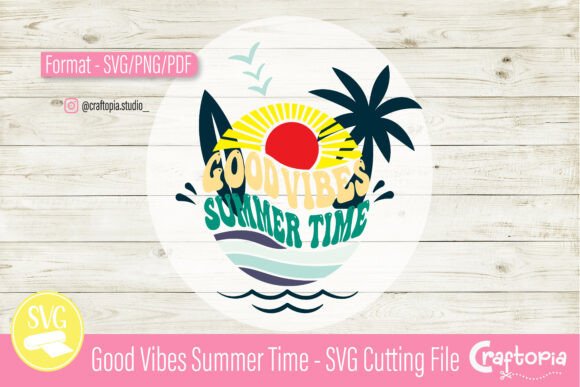
When I sit down to review a new machine embroidery design, my first question is always practical: will this hold up in the hoop, and will it look professional on the finished product? Too many digital assets look stunning on a screen but fall apart when converted into stitches. Today, I am looking at the Good Vibes Summertime – SVG Cut File. On paper, it promises a retro-inspired tropical scene featuring a radiant sun, palm tree, ocean waves, and surfboards. As a designer who frequently creates custom apparel and boutique merchandise, I need to know if this graphic translates well into thread before I commit it to a client’s order or my own inventory.
First Impressions: Mood and Visual Personality
The moment you load this file, the vibe is immediate. It screams vacation energy without being overly cluttered. The composition balances the heavy elements—the sun and the palm tree—with the fluidity of the ocean waves. For an embroidery project, this balance is crucial. If every element was equally dense, the fabric would pucker and distort. Here, the layout suggests a natural hierarchy where the eye travels from the sun down to the surfboards.
This design feels like it belongs in the Crafts category, specifically within Graphics that are meant to be wearable art. It has a nostalgic, mid-century modern feel that resonates with current trends in handmade goods. However, "retro" can sometimes mean "faded," and in embroidery, we have to be careful about losing detail. The sharp lines of the surfboard and the distinct shape of the palm fronds suggest that this design relies on clean edges, which means the quality of your stitching setup will be visible.
Real-World Application: The Tote Bag Scenario
Let’s imagine a real-life scenario. You are preparing for a summer craft fair or restocking your Etsy shop. You decide to create a line of personalized tote bags using this design. This is a classic use case for a tote bag design because the canvas provides a stable surface for embroidery. However, the size matters. If you place this large central graphic on a standard tote, the stitch density needs to be manageable.
I tested the mental model of stitching this out on a heavy cotton canvas. The radiant sun would likely work well as a fill stitch, providing a solid block of color that anchors the design. The palm tree, with its individual leaves, requires precision. If the satin stitch around the leaves is too wide, they will merge into one blob. If it is too narrow, the edge might fray during washing. The ocean waves present another challenge; they need to flow seamlessly. A poor digitization here could result in jagged, unnatural lines that ruin the serene aesthetic.
For a small business owner, this design offers high perceived value. Customers associate sunny, positive imagery with happiness and relaxation. When they receive a handmade product with this cheerful motif, the emotional connection is instant. It makes for an excellent personalized gift for birthdays, graduations, or just because. The visual appeal directly impacts customer trust; a crisp, well-executed embroidery job signals that you care about quality.
Performance on Different Fabrics and Garments
While the tote bag is a safe bet, this embroidery file has versatility. It works beautifully on sweatshirts, particularly those made of fleece or thick cotton blends. The warmth of the design contrasts nicely with the cozy texture of a sweatshirt, making it perfect for transitional weather fashion. Similarly, for custom apparel like t-shirts, the lightweight nature of jersey knit requires a light stabilizer to prevent puckering, especially around the dense areas of the sun.
However, not all surfaces are created equal. I would exercise caution when considering this for baby clothes. While baby embroidery is a lucrative niche, the delicate skin of infants means we must avoid stiff backing. If the digitizer did not use a water-soluble or tear-away stabilizer effectively, the back of the garment could become scratchy. Always inspect the back of your sample piece to ensure comfort.
Hats and caps are another common application. Curved surfaces like baseball caps add complexity. The flatness required for a clean wave pattern might warp if the cap is too curved or if the tension is off. For an embroidered patch style application, where the design is stitched separately and then sewn onto a hat, this file performs exceptionally well. It allows you to control the placement and avoid the distortion issues associated with direct-to-garment stitching on curved brims.
Where to Use Carefully
- Small Hoop Sizes: If you try to squeeze this entire scene into a tiny hoop, you risk cutting off essential details. Ensure your hoop size accommodates the full width of the sun and palm tree without cropping.
- Textured Fabrics: Avoid using this on bouclé or heavily textured knits. The needle may struggle to penetrate consistently, leading to skipped stitches and a messy appearance.
- Stretchy Fabric: Spandex or thin rayon blends require specialized hoops and stabilizers. Without them, the design will stretch out of shape after a single wash.
- Dense Stitch Areas: Be mindful of the overlap between the sun rays and the palm tree. If the fill stitch is too dense, the fabric will become rigid and uncomfortable.
Design Notes for the Professional Digitizer
Before you start stitching, there are several technical checks I recommend. First, always test the design on scrap fabric that matches your final material. This helps you gauge the true impact of the thread colors. Retro palettes often rely on specific shades of teal, mustard, and coral. If your thread selection is off, the contrast against the fabric could make the design look muddy rather than vibrant.
Inspect the small details closely. In digital graphics, a thin line looks fine. In embroidery, a thin line must be long enough to be caught by the needle. Check whether the running stitch used for any outlines is secure. Also, consider the stabilizer choice. For a design with both fill and satin stitches, a cut-away stabilizer is usually safer for durability, especially for items that will see frequent washing, like aprons or kitchen towels.
Another pro tip is to view your design in black and white mockups. This strips away the color distraction and lets you evaluate the silhouette and spacing. Does the palm tree stand out clearly against the sun? Is there enough negative space between the waves and the surfboards? If the answer is no, you may need to adjust the placement or scale before committing to production.
Commercial Viability and Licensing
For those selling finished products, understanding the licensing is non-negotiable. Even though this is a digital embroidery file, the rights to sell physical items made from it vary by creator. Some licenses allow unlimited commercial use, while others restrict the number of units sold. Always confirm these terms to protect your craft business from legal issues.
From a branding perspective, this design fits well with boutiques that focus on lifestyle, beachwear, or home decor. It is versatile enough for holiday embroidery projects related to summer vacations or end-of-year getaways. It also serves as a strong asset for creating printable mockups for your online store. High-quality images of this design on various products can significantly boost buyer engagement and conversion rates.
Final Verdict
The Good Vibes Summertime – SVG Cut File is a strong contender for designers looking to add a touch of nostalgia and positivity to their collection. Its clear shapes and balanced composition make it suitable for a wide range of applications, from aprons and pillow covers to caps and blankets. By paying attention to stitch density, fabric choice, and proper stabilization, you can transform this graphic into a high-quality finished product that customers will love. Just remember to check your license, test your samples, and let the good vibes guide your creative process.