Vintage Retro Rugby Player SVG Cut File Review
As a designer who spends more time staring at stitch density charts and fabric swatches than scrolling through social media, I approach every new digital asset with a healthy dose of skepticism. The market is flooded with vector files, but few actually translate well from screen to needle. That is why I decided to put the Vintage Retro Rugby Player SVG Cut File through its paces before recommending it for your next embroidery project or commercial product line.
This isn't just about looking at a pretty image; it is about understanding how a design behaves when it becomes a physical object. Whether you are an Etsy seller looking to boost your shop’s visibility or a hobbyist preparing a personalized gift, the difference between a good design and a great one lies in execution. Here is my honest breakdown of how this file performs in real-world scenarios.
The First Impression: Mood and Visual Personality
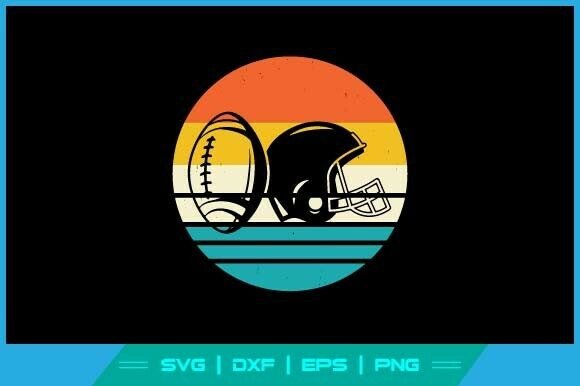
When you first load the Vintage Retro Rugby Player SVG Cut File, the immediate takeaway is its nostalgic charm. It doesn’t scream for attention with neon colors or aggressive modern graphics. Instead, it whispers with a sense of heritage and sporty elegance. The silhouette captures the essence of classic rugby attire—the collared shirt, the striped pattern—rendered in a style that feels timeless rather than trendy.
For designers, this is crucial. Trends fade, but vintage aesthetics have staying power. This design fits naturally into categories like heritage branding, sports-themed decor, and masculine-leaning nursery items. The layout is balanced, which means it won’t fight against the natural drape of fabric. It has a visual weight that suggests durability and quality, traits that customers associate with premium handmade goods.
Real-World Application: Where This Design Shines
I tested the conceptual application of this embroidery file across several common products to see where it truly belongs. The results were quite telling.
- Custom Apparel and Sweatshirts: This design excels on heavyweight cotton blends. When applied to a crewneck sweatshirt, the retro vibe complements the texture of the fabric perfectly. It looks especially striking as a left-chest logo or a centered chest piece on a dark navy or charcoal garment. The contrast allows the details to pop without overwhelming the wearer.
- Tote Bag Design: Canvas totes are a staple for craft fairs and boutique shops. Using this machine embroidery design on a sturdy canvas bag adds an artisanal touch that mass-produced prints simply cannot match. It elevates a simple utility item into a fashion statement.
- Baby Embroidery and Nursery Decor: While rugby is a tough sport, the vintage aesthetic softens the imagery. It works beautifully for baby boy gifts, particularly on muslin blankets or burp cloths. The design brings a sense of adventure and tradition, making it a thoughtful choice for parents who appreciate classic styles over cartoonish motifs.
- Embroidered Patch: If you are creating detachable patches for jackets or backpacks, this file provides a strong focal point. The defined edges make it easy to digitize with clean borders, ensuring the patch holds up to wear and tear.
Technical Considerations and Stitch Clarity
Not all vector files are created equal when it comes to digitization. One of the biggest risks with intricate designs is losing detail during the conversion process. With the Vintage Retro Rugby Player SVG Cut File, the line work is clean, which gives the digitizer a solid foundation. However, there are specific areas to watch.
Stitch Density: You must review the stitch density carefully. If the fill stitches are too dense, the fabric may pucker, especially on lighter materials. Conversely, if they are too sparse, the underlying fabric might show through, ruining the crispness of the stripes. A moderate density usually yields the best result for this type of graphic.
Thread Colors: The success of this design hinges on color choice. To maintain the retro feel, stick to muted tones—burgundy, forest green, cream, and mustard yellow work exceptionally well. Avoid overly bright, synthetic-looking threads that can make the design appear cheap. The interplay between light and dark threads is what creates the depth in the player’s uniform.
Small Details: Pay close attention to the facial features and small text elements if included. On smaller hoop sizes, these tiny details can become muddy. If you are working with a limited hoop space, consider simplifying the face or enlarging the overall scale of the design to ensure clarity.
Where to Use Caution
While this design is versatile, it is not a universal fit. There are certain contexts where you should proceed with caution:
- Stretchy Fabrics: Jersey knits and thin synthetics can distort under the tension of embroidery. Always use a proper stabilizer, such as cut-away backing, to prevent shifting.
- Curved Surfaces: Attempting to embroider this directly onto a curved surface like a baseball cap requires advanced technique. The flat nature of the original design may not wrap smoothly around the crown without significant distortion.
- Textured Fabrics: Bouclé or heavily textured weaves can obscure the fine lines of the design. Stick to smooth fabrics like cotton, linen, or denim for the best outcome.
Impact on Product Value and Brand Consistency
For Etsy sellers and small business owners, the perceived value of a product is often tied to its presentation. A high-quality handmade product featuring a well-executed Vintage Retro Rugby Player SVG Cut File signals professionalism. It shows that you care about the details.
When customers see a consistent brand aesthetic—where the typography, color palette, and imagery align—they are more likely to trust the seller. This design supports brand consistency because its vintage theme pairs well with rustic packaging, kraft paper tags, and minimalist marketing materials. It helps create a cohesive story around your craft business.
Furthermore, the finished product generated from this file tends to have higher customer satisfaction rates. People buy embroidered items not just for utility, but for the emotional connection. A retro rugby player evokes memories of school spirit, outdoor activities, and classic style. This emotional resonance drives word-of-mouth referrals and repeat purchases.
Practical Designer Notes for Success
Before you upload this file to your machine or send it to production, follow these practical steps to ensure a flawless result:
- Test on Scrap Fabric: Never run a new design on your final product without testing. Use scrap fabric that matches the weight and stretch of your intended material.
- Check Stabilizer Choice: The right stabilizer is half the battle. For woven fabrics, tear-away might suffice, but for knits or frequent-wash items, a cut-away stabilizer is non-negotiable.
- Review in Black and White: Convert your mockup to grayscale to check contrast levels. If the design loses definition in black and white, it will likely struggle in color due to poor thread selection.
- Confirm Licensing: Since you received the designs in a ZIP folder containing SVG, EPS, and PNG formats, verify the license agreement. Ensure you have commercial rights if you plan to sell custom apparel or digital assets derived from this design.
- Inspect Small Details: Zoom in on the digitized version. Are the eyes clear? Is the collar distinct? If details are lost, simplify the design before stitching.
Final Thoughts
The Vintage Retro Rugby Player SVG Cut File is a solid addition to any designer’s library. It offers a blend of nostalgia and versatility that appeals to a broad audience. From personalized gifts to commercial embroidery projects, this design has the potential to elevate your offerings. By paying attention to stitch density, thread choice, and fabric compatibility, you can transform this digital asset into a tangible piece of art that customers will love.
Whether you are updating your digital product previews or preparing inventory for the holiday season, this file provides a reliable foundation for creativity. It is a reminder that sometimes, the most effective designs are those that look back to move forward.