Retro Life Love Rescue SVG Review
When I first pulled Retro Life Love Rescue SVG into my design workspace, I didn’t just see a file; I saw a potential bestseller. As someone who spends hours evaluating how digital assets translate into physical embroidery, my initial reaction was one of cautious optimism. The phrase itself carries a specific weight—it evokes nostalgia, warmth, and a touch of vintage Americana. But does it hold up when the needle starts moving? Does it look like a premium handmade product or a mass-produced knockoff? That is the question that drives every serious designer’s review.
First Impressions: Mood and Visual Personality
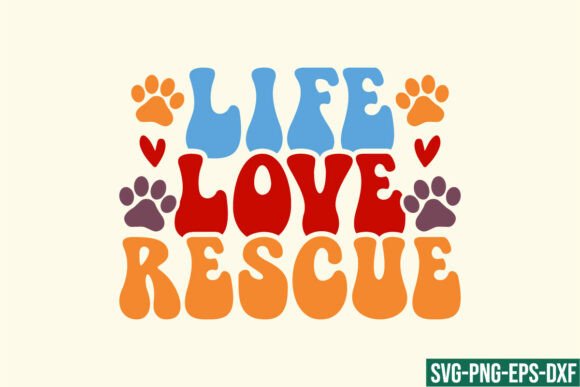
The immediate appeal of this design lies in its retro aesthetic. It doesn’t scream for attention with neon colors or chaotic layouts; instead, it whispers with confidence. The typography and graphic elements suggest a mid-century vibe that pairs effortlessly with casual wear and home decor. For an embroidery project, this translates to a design that feels approachable yet stylish. It has a visual personality that says "comfort" and "care," making it ideal for brands that want to project a friendly, artisanal image.
From a layout perspective, the balance between negative space and filled areas is well-considered. This is crucial because embroidery requires room for thread tension to breathe. If a design is too cluttered, the stitches can merge into an indistinct blob. Here, the shapes feel distinct, allowing each element to stand on its own while contributing to a cohesive whole. It’s the kind of design that looks good even before you pick a single thread color.
Real-World Application: From Screen to Stitch
I often test designs by imagining them on specific products. For Retro Life Love Rescue SVG, my mind immediately went to a heavy-weight cotton tote bag. The sturdy fabric would support the stitch density without warping, and the casual nature of the tote complements the retro theme perfectly. Imagine a cream-colored canvas bag with the design centered, stitched in earthy tones like mustard yellow, olive green, and deep navy. It instantly becomes a boutique-worthy accessory.
Another strong candidate for this design is a crewneck sweatshirt. The nostalgic feel of the graphic aligns well with the cozy, relaxed vibe of sweatshirts. Whether it’s placed over the heart or centered on the back, the design adds a layer of character to a basic garment. It transforms a simple piece of clothing into a statement item. I also see potential in baby items—think soft muslin blankets or onesies. The gentle message of "love rescue" resonates deeply with new parents, making it a thoughtful choice for personalized gifts.
However, not every surface is created equal. While the design works beautifully on flat surfaces like aprons or pillow covers, applying it to curved surfaces like caps requires careful hooping. The curvature can distort straight lines, so testing the placement is essential. Similarly, textured fabrics like chenille or thick wool might obscure the finer details of the graphic. In such cases, simplifying the design or choosing a smoother fabric backing ensures clarity.
Performance Across Different Media
This machine embroidery design shines in scenarios where durability meets aesthetics. For commercial embroidery projects, such as small shop merchandise or Etsy listings, consistency is key. The clean lines of the vector source mean that when digitized correctly, the output remains sharp regardless of scale. This versatility makes it suitable for a wide range of applications, from custom apparel to embroidered patches.
Consider the use case of holiday gifts. The retro theme lends itself well to seasonal decor, especially if paired with traditional reds and greens. A tea towel featuring this design could become a cherished kitchen staple, offering both utility and charm. The same goes for nursery decor; a framed embroidery piece can serve as a heartfelt keepsake. The adaptability of the design allows creators to experiment with different color palettes and materials without losing the core identity of the artwork.
Practical Considerations for Embroidery Designers
Before committing to production, there are several technical aspects to address. First, always test the design on scrap fabric. This step reveals how the stitch density interacts with the material. Some fabrics may pucker under heavy fill stitches, while others might slip during running stitch sequences. Using the proper stabilizer is non-negotiable; it provides the necessary support to maintain shape and prevent distortion.
Thread color contrast is another critical factor. The effectiveness of the design relies heavily on the visibility of its elements against the background fabric. Light threads on dark fabric can sometimes lose definition, while dark threads on light fabric might appear too harsh. Experimenting with thread samples helps find the perfect balance. Additionally, inspecting small details in black and white mockups can highlight potential issues with legibility that color might mask.
For those planning to sell finished products, confirming licensing terms is vital. Ensure that the embroidery file allows for commercial use, especially if you’re producing items for marketplaces like Etsy or local craft fairs. Understanding the scope of your rights protects your business and respects the original creator’s work.
Avoiding Common Pitfalls
While the design is robust, certain situations require caution. Small hoop sizes limit the amount of detail that can be rendered clearly. If the design includes tiny lettering or intricate decorative accents, these may become illegible when scaled down. Similarly, stretchy fabrics pose a challenge; they can shift during stitching, leading to misalignment. In such cases, using a cut-away stabilizer can help stabilize the fabric and preserve the integrity of the design.
Dense stitch areas should also be monitored. Excessive stitching can make the fabric stiff and uncomfortable, particularly in wearable items like t-shirts or baby clothes. Balancing fill stitches with lighter techniques like satin stitch or running stitch can enhance the tactile quality of the finished product. Furthermore, considering the end-user’s needs—such as frequent washing for household items—ensures longevity and customer satisfaction.
Final Thoughts: Value and Versatility
In conclusion, Retro Life Love Rescue SVG offers a compelling blend of style and functionality. Its retro charm and clear structure make it a valuable asset for designers looking to create meaningful, high-quality embroidered goods. Whether you’re crafting personalized gifts, expanding your craft business inventory, or adding unique touches to your own wardrobe, this design delivers on both aesthetic and practical fronts.
The key to success lies in thoughtful execution. By paying attention to fabric choice, thread selection, and stabilization techniques, you can bring out the best in this design. It’s more than just a graphic; it’s a foundation for creating products that resonate emotionally with users. For any maker or entrepreneur seeking to elevate their offerings, this design proves that simplicity, combined with strategic design choices, can yield powerful results.
As you integrate this into your workflow, remember that the true value of an embroidery project extends beyond the stitch count. It’s about the story it tells, the comfort it provides, and the joy it brings to the recipient. With Retro Life Love Rescue SVG, you have a versatile tool ready to help you tell that story effectively.