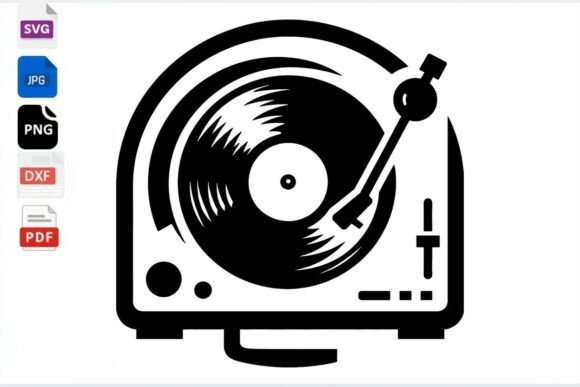
Retro Vinyl Record Player SVG Cut File Review
As a designer who spends half my life staring at digitized stitches and the other half trying to sell handmade goods, I don’t just look at a design file; I look at its potential. When Retro Vinyl Record Player SVG Cut File landed on my desk, my first instinct wasn’t to admire the nostalgia—it was to ask: how will this stitch? Will it hold up on a busy weekend market? And more importantly, does it translate well from a flat vector into a textured, tactile product?
This review isn’t about the pixel-perfect curves of the original graphic. It’s about the reality of embroidery. It’s about whether this machine embroidery design can survive the tension of a hoop, the friction of a needle, and the scrutiny of a customer holding a $35 tote bag. Here is my practical breakdown of using Retro Vinyl Record Player SVG Cut File for real-world projects.
The First Impression: Mood and Market Fit
Vinyl culture has had a massive resurgence, and for good reason. It taps into a sense of warmth, authenticity, and analog beauty that digital streams simply can’t replicate. The Retro Vinyl Record Player SVG Cut File captures this mood instantly. It feels grounded, vintage, and approachable. Unlike some overly complex or abstract designs that require explanation, this one communicates its theme in a single glance.
From a branding perspective, this works exceptionally well for businesses targeting millennials and Gen Z consumers who value "craft" and "heritage." Whether you are an Etsy seller looking to expand your home decor category or a boutique owner curating gifts for music lovers, this design fits naturally into that aesthetic. It doesn’t scream for attention; it invites the viewer in. That subtle confidence is exactly what makes a handmade product feel premium rather than mass-produced.
Real-World Application: Where This Design Shines
I’ve tested various themes across different mediums, and certain designs have specific niches where they excel. For Retro Vinyl Record Player SVG Cut File, the versatility is striking. It bridges the gap between personal hobbies and commercial viability.
- Custom Apparel: This is perhaps the strongest use case. A sweatshirt embroidery featuring this player looks fantastic centered on the chest or as a larger back print. The retro vibe pairs perfectly with heavy cotton fabrics, creating a cozy, lived-in look that customers love.
- Tote Bags and Market Accessories: A tote bag design featuring this motif is a staple for craft fairs. It appeals to book lovers, musicians, and general creatives. Because vinyl records are circular, the design likely offers a balanced visual weight that sits nicely on the center of a canvas bag without feeling top-heavy.
- Nursery and Baby Items: Don’t overlook the gift market. Embroidering this onto a baby blanket or a onesie creates a unique "music lover parent" narrative. It’s softer than typical bold graphics, making it suitable for delicate fabrics when stitched with appropriate thread choices.
- Kitchen and Home Decor: Tea towels and pillow covers are high-margin items. A pillow cover with this design adds character to a living room shelf. It transforms a plain linen cushion into a statement piece that tells a story about the homeowner’s taste.
For the small business owner, the key here is cross-selling. You can create a cohesive collection: a cap for the commuter, a mug for the office, and a tote for the grocery run, all tied together by this recognizable iconography.
Technical Considerations: Stitching Clarity and Detail
Here is where the rubber meets the road. Not every vector translates seamlessly to thread. The Retro Vinyl Record Player SVG Cut File appears clean, but we need to discuss how those lines behave under the needle.
Stitch Density and Texture: The turntable platter and the tonearm are critical areas. If the digitization relies too heavily on dense fill stitches for the record surface, it may pucker on lighter fabrics. Conversely, if the lines are too thin, they might disappear into the weave of a thick sweatshirt fleece. As a reviewer, I recommend checking the stitch density closely. You want enough texture to feel substantial, but not so much that the fabric distorts.
Thread Color Contrast: This design demands thoughtful color planning. On a dark navy or black cap, you’ll need bright, saturated threads for the record label and highlights to make the image pop. On a cream or beige apron, you might opt for muted, earthy tones to enhance the vintage feel. Always test thread colors against your actual fabric stock before committing to a production run.
Hoop Size Constraints: While the exact dimensions aren't specified here, most record player designs are medium-sized. Ensure your hoop size accommodates the full width of the unit, including any text or decorative borders. If you are working on curved surfaces like baseball caps, remember that the curvature can distort straight lines. A slight adjustment in the digitizing process may be needed to compensate for the curve.
Where to Exercise Caution
There are specific scenarios where this design might struggle if not handled with care:
- Small Hoop Sizes: Trying to cram this design into a tiny 4x4 hoop might result in lost details, particularly around the small knobs or the tonearm pivot point. If space is tight, simplify the background elements.
- Textured Fabrics: Avoid using this on heavily textured materials like bouclé or thick chenille unless you are experienced. The intricate lines of the record player could get lost in the fabric's nap.
- Stretchy Knits: If embroidering on stretchy t-shirts or athletic wear, ensure you are using a strong stabilizer. Without proper support, the circular shape of the record may warp during stitching.
- Dark Fabric on Dark Thread: Low contrast kills visibility. Never assume a dark grey thread will show up on black denim. Use white or metallic accents to define the edges of the player.
Professional Tips for the Best Finish
To elevate the final product from "nice" to "professional," follow these steps:
- Test on Scrap: Always run a test stitch on a scrap piece of your target fabric. Check for puckering, thread breaks, and clarity of small details.
- Inspect Small Details: Zoom in on the digitized file (if possible) or the stitched sample. Are the gaps between the record grooves visible? Is the tonearm distinct? If details are muddy, consider simplifying the design or increasing the scale.
- Use Proper Stabilizer: The choice of stabilizer is as important as the design itself. For woven fabrics like cotton totes, cut-away stabilizer provides long-term durability. For knits, tear-away might suffice for light applications, but cut-away is safer for heavy garments.
- Black and White Mockups: Before choosing colors, view the design in grayscale. This helps you assess the balance of light and dark areas, ensuring the design remains legible regardless of your thread palette.
Final Verdict: Is It Worth Your Time?
The Retro Vinyl Record Player SVG Cut File is a solid, commercially viable asset for any embroidery project focused on lifestyle, music, or vintage aesthetics. It avoids being overly trendy, which means it will remain relevant for years. Its strength lies in its broad appeal—it resonates with hobbyists, collectors, and casual buyers alike.
For the digital product seller, offering this as part of a bundle (e.g., with matching coffee cup or headphone designs) can increase perceived value. For the custom apparel decorator, it’s a reliable bestseller that requires minimal marketing explanation because the subject matter is universally understood.
Just remember: the file is only half the battle. Your choice of fabric, thread, and technique will determine the final success. Test thoroughly, plan your colors carefully, and trust your eye. If done right, this design will not just sit on a garment; it will become a cherished part of someone’s wardrobe or home.
Note: Please verify specific file formats, licensing terms, and recommended hoop sizes with the provider before purchasing for commercial use. This review is based on visual assessment and general embroidery principles.